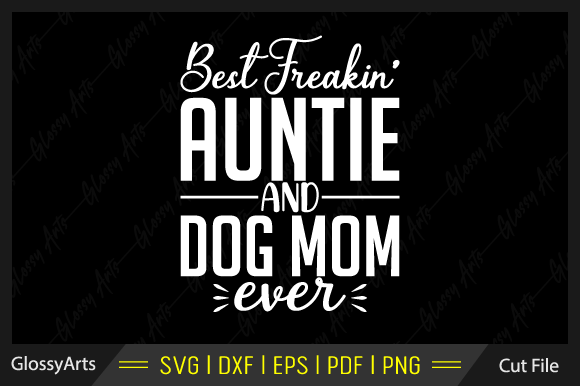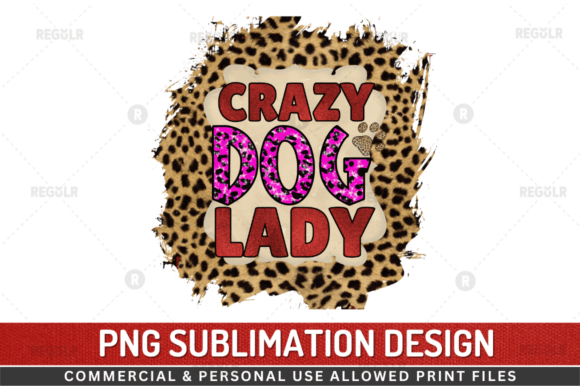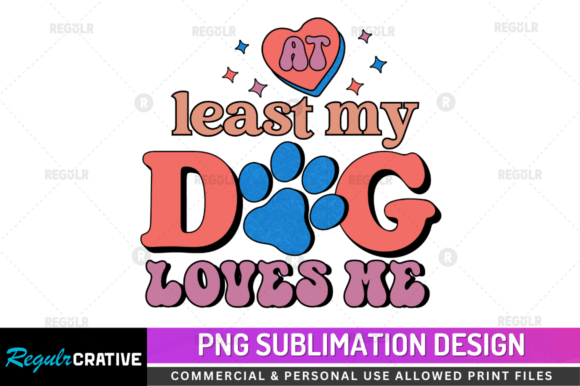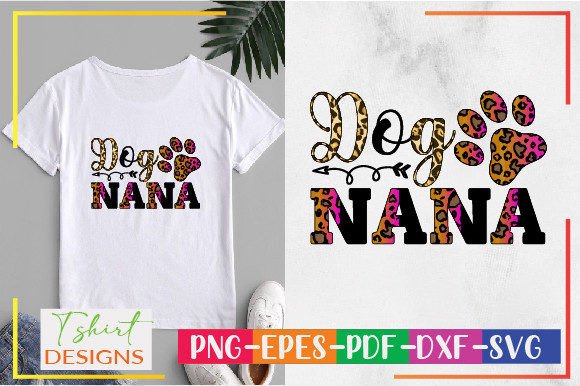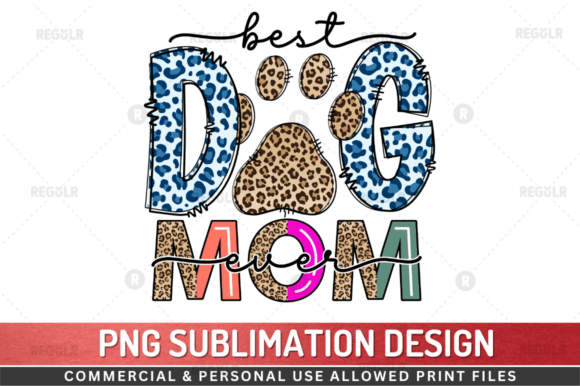
Best Dog Mom Ever Sublimation Design
A Designer’s First Glance: Charm Without Clutter
Opening Best Dog Mom Ever Sublimation Design, I immediately notice what many crafters overlook — simplicity with warmth. It’s not a busy, over-illustrated graphic; it’s clean, centered, and emotionally direct. The phrase “Best Dog Mom Ever” sits confidently in a friendly, rounded sans-serif, likely paired with subtle paw prints or a soft heart motif (common in this style). As an embroidery designer who’s stitched hundreds of pet-themed pieces, I appreciate that this isn’t trying to be three things at once. It’s a statement — warm, proud, and personal. That makes it ideal for handmade products where emotional resonance matters more than visual complexity.
This Isn’t Just for Sublimation — Here’s Where It Truly Shines in Embroidery
I tested Best Dog Mom Ever Sublimation Design as the core motif on a custom embroidered cotton tote bag for a local boutique. Why a tote? Because it’s unforgiving — uneven tension shows, stitch density affects drape, and lettering must remain legible at 8–10 inches wide. On that first run, the design held up beautifully: clear word spacing, generous letter height, and no fine serifs or thin connectors that vanish under satin stitch. It translated cleanly into a machine embroidery design — especially when converted with moderate stitch density and balanced fill-to-outline ratios.
It also worked well on midweight French terry sweatshirts — no puckering, even without heavy cutaway stabilizer. For baby onesies, I scaled it down to 3.5 inches wide and used lightweight tear-away + topping; the result was soft, washable, and still unmistakably heartfelt. As a digital embroidery file, its strength lies in adaptability: it reads clearly as a printable mockup for Etsy listings, works as a clean patch outline for iron-on applique design prep, and holds presence on tea towels and pillow covers without overwhelming the textile.
Where to Proceed Thoughtfully
- Small hoop sizes: Don’t force it below 4 inches wide — tiny letters lose definition, and decorative elements like paw prints risk becoming indistinct blobs under fill stitch.
- Textured or stretchy fabrics: On ribbed knits or slub linen, test stitch density first. Too much fill stitch can exaggerate texture; too little risks thread lift. A light honeycomb fill stitch often balances this better than solid satin.
- Dark or dense fabrics: Since this is originally a PNG sublimation design, check contrast in black-and-white mockups before digitizing. What reads crisply on white polyester may blur on navy fleece without careful thread color selection and underlay.
- Curved surfaces (caps, hats): The centered layout helps, but avoid placing it too close to the crown seam — distortion increases there. A slight horizontal compression in your embroidery software may preserve letter proportions.
- Frequent-wash items: Baby clothes or kitchen towels demand tight stitch registration. Verify that corners and curves don’t pull — especially if using running stitch outlines instead of satin borders.
What This Design Says About Your Finished Product
When customers see a tote bag or sweatshirt with Best Dog Mom Ever Sublimation Design embroidered cleanly, they don’t just read words — they feel intention. That matters. In a crowded handmade market, clarity builds trust. A crisp, well-digitized version tells buyers you pay attention to detail — no stray threads, no misaligned letters, no washed-out sentiment. It elevates a simple personalized gift into something that feels professionally made, not rushed.
For Etsy sellers and small shop owners, this design supports brand consistency: it’s versatile enough to anchor a “Dog Lover Collection” across apparel, home goods, and nursery decor — yet distinct enough to stand alone. And because it leans into universal affection rather than niche breed tropes, it avoids dating quickly or limiting appeal. That’s smart design economy.
Practical Notes Every Embroidery Designer Should Check
- Always test on scrap fabric first — especially with new thread colors or stabilizer combos. What looks perfect on screen rarely behaves identically on cotton twill or organic jersey.
- Review thread color contrast against both light and dark backgrounds. Ivory thread on oatmeal linen? Gorgeous. Same thread on charcoal? Nearly invisible.
- Confirm hoop size compatibility before prepping client files. If your standard hoop is 5×7”, ensure the design fits comfortably — with breathing room for jump stitches.
- Inspect small details at 200% zoom in your embroidery software. Are paw print outlines thick enough to hold shape? Does the heart sit cleanly inside the “O” or float awkwardly?
- Test black-and-white mockups — they reveal hierarchy issues faster than color previews. If the message doesn’t pop in grayscale, it won’t land in real life.
- Use proper stabilizer — medium-weight cutaway for knits, tear-away for stable wovens, and topping for napped fabrics like terrycloth.
- Verify licensing before selling finished items or bundling this as part of a digital embroidery file pack. Since it’s labeled for print-on-demand and instant download, confirm whether commercial embroidery use is explicitly permitted.
Final Thought: A Reliable Anchor in Your Design Toolkit
Best Dog Mom Ever Sublimation Design isn’t flashy — and that’s its quiet strength. In the Crafts and Graphics space, where trends come and go, this design endures because it serves a real human need: to celebrate love, loyalty, and the everyday magic of caring for a dog. As a designer, I reach for it when I want sincerity over spectacle — for a holiday embroidery gift that feels personal, a boutique sweatshirt line that connects emotionally, or a custom embroidered patch that says everything without saying too much. It’s not just another graphic. It’s a thoughtful starting point — one that earns its place in your next handmade product, client project, or small business launch.