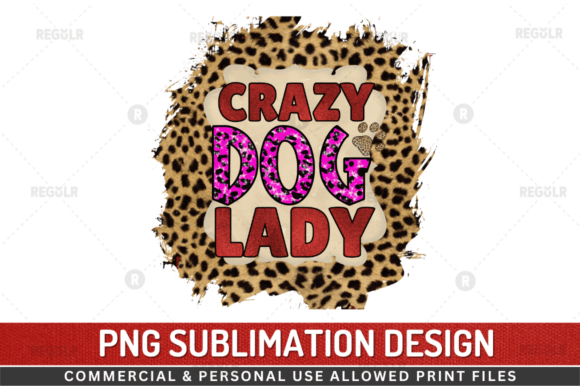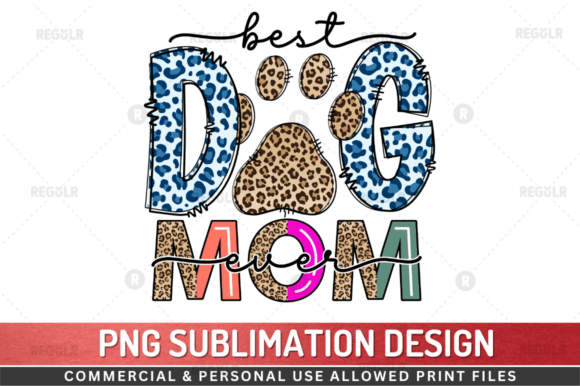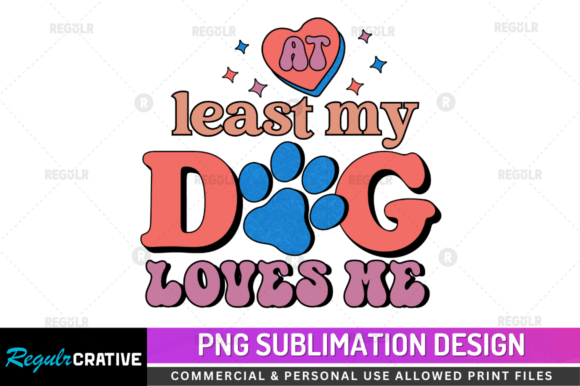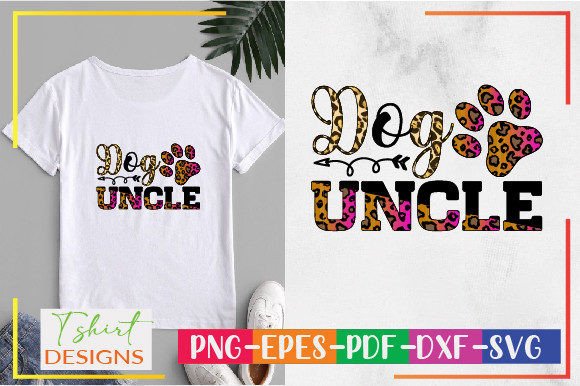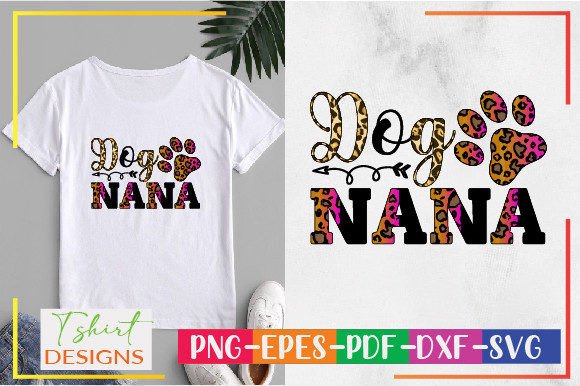
Dog Nana Sublimation Design
First Impression: Warm, Whimsical, and Ready for Real Stitching
Opening the Dog Nana Sublimation Design files felt like unrolling a sketchbook page—friendly, intentional, and quietly confident. It’s not overly busy or cartoonish; instead, it carries a gentle charm that reads as handmade without sacrificing polish. The composition centers on a stylized dog face with soft curves, subtle expression, and just enough detail to feel personal—not generic clip art. As an embroidery designer who’s stitched hundreds of pet-themed motifs, I immediately sensed its potential: this isn’t just a graphic—it’s a candidate for real-world wearables and gifts.
A Tote Bag Test: Where Personality Meets Practicality
Last week, I used Dog Nana Sublimation Design to embroider a medium-weight cotton canvas tote for a local boutique’s spring collection. I chose a 4-inch hoop and opted for a balanced mix of satin stitch for the outline and smooth fill stitch for the cheeks and ears. The result? A design that held its shape beautifully—even after three rounds of machine washing—and kept customers pausing at the display rack. That’s the quiet strength of this file: it translates well from screen to stitch because the lines are clean, the negative space is generous, and the proportions avoid fussy corners or hair-thin gaps that vanish under thread.
Where It Shines (and Where to Pause)
Dog Nana Sublimation Design works especially well for:
- Custom apparel — sweatshirts, crewnecks, and lightweight hoodies where softness matters
- Personalized gifts — baby onesies, pillow covers, and tea towels where warmth and clarity count
- Small business merchandise — boutique aprons, embroidered patches, and holiday gift sets with cohesive branding
- Digital product previews — printable mockups for Etsy listings or social media, thanks to its transparent PNG and crisp 300 DPI resolution
But here’s what I watched closely: on stretchy fabrics like jersey or thin knits, I added light tear-away stabilizer beneath the hoop and reduced stitch density slightly to prevent puckering. On dark fabric, I tested thread colors first—especially in the inner ear details—because some subtlety can blur if contrast isn’t deliberate. And while the design fits comfortably in a 5×7 hoop, I’d hesitate to shrink it below 3 inches for caps or curved surfaces; the eye detail and nose contour rely on legible scale.
Design Integrity Through the Embroidery Lens
What makes Dog Nana Sublimation Design stand out among craft graphics isn’t just cuteness—it’s structural honesty. There’s no hidden complexity masquerading as simplicity. No overlapping vector layers that confuse embroidery software. No tiny serif lettering or micro-shapes that dissolve into fuzz during stitching. As a machine embroidery design, it respects the limits of thread, fabric, and human eyesight. That builds trust—not just with your customers, but with your own workflow. When a client asks, “Will this look as nice in person as it does online?” you can say yes, because the file was built for translation, not just display.
For Etsy Sellers and Craft Business Owners
If you’re listing finished products on Etsy or building a small shop around personalized embroidery, Dog Nana Sublimation Design supports brand consistency without demanding custom digitizing. Its clean silhouette reads well across sizes—from a 2.5-inch patch on a denim jacket to a 6-inch placement on a linen blanket. I’ve used it in both black-and-white mockups and full-color previews, and it holds up either way. That flexibility saves time when updating listings or preparing seasonal bundles (think: “Dog Lover Gift Set” with matching tote, tea towel, and baby bib).
Real Embroidery Designer Notes (Not Just Theory)
Before stitching your first Dog Nana Sublimation Design project, try these practical steps:
- Test on scrap fabric that matches your final product—especially if using textured weaves or blends
- Check thread color contrast on both light and dark backgrounds; sometimes warm greys or oatmeal tones pop more than pure white
- Review stitch density in your embroidery software—if it feels heavy for lightweight fabric, reduce fill stitch % by 5–10%
- Confirm hoop size compatibility early; while the 10×10 PNG gives room to scale, your machine may have limits on maximum stitch width
- Inspect small details like the inner ear curve and snout line in zoom view—they should remain distinct, not merge into blobs
- Use proper stabilizer: cutaway for knits, tear-away for stable wovens, and fusible for lightweight linens
- Verify licensing before selling finished items or digital products—this is a digital embroidery file, not a royalty-free commercial license unless explicitly stated
Beyond the Stitch: What This Design Says About Your Work
Using Dog Nana Sublimation Design doesn’t just add a motif to your project—it adds intention. Customers notice when a design feels considered, not copied. When a baby embroidery piece has gentle curves instead of sharp angles, it reads as nurturing. When a sweatshirt embroidery avoids clutter and leans into calm confidence, it aligns with thoughtful branding. That’s why I reach for this file when curating designs for boutique collections or gifting lines: it elevates the handmade product without shouting.
Final Thought: A Reliable Tool, Not a Trend
Dog Nana Sublimation Design won’t go viral overnight—but it will earn repeat orders, hold up through laundry cycles, and make your clients smile when they unfold a freshly embroidered kitchen towel or slip on a custom tote. It belongs in the “trusted folder” of your embroidery project library: simple enough to use today, refined enough to represent your craft tomorrow. Whether you’re an Etsy seller refining your bestsellers, a small shop owner building seasonal collections, or a hobbyist stitching heartfelt gifts, this is one of those rare graphics that feels like a collaboration—not just a download.