Dog Typography Quotes: A Designer’s Real-World Embroidery Review
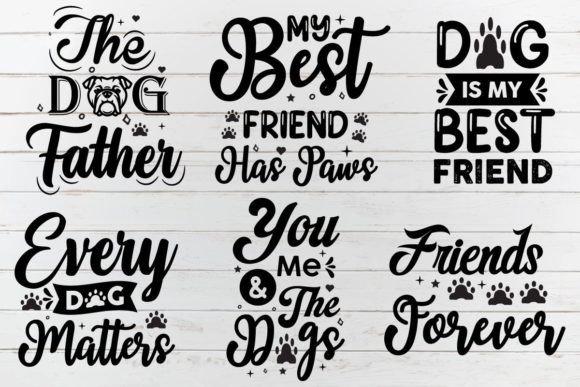
Let’s say you’re stitching a custom embroidered tote bag for a local dog rescue’s fundraiser—something warm, approachable, and unmistakably handmade. You pull up Dog Typography Quotes, scan the files, and pause. Not because it’s flashy or complex—but because it’s quietly deliberate. As an embroidery designer who’s stitched everything from nursery onesies to boutique aprons, I’ve learned that typography-based designs like this one live or die by how they translate from screen to stitch. So here’s what Dog Typography Quotes actually delivers—and where it shines or stumbles—in real project use.
First Impression: Friendly, Not Fussy
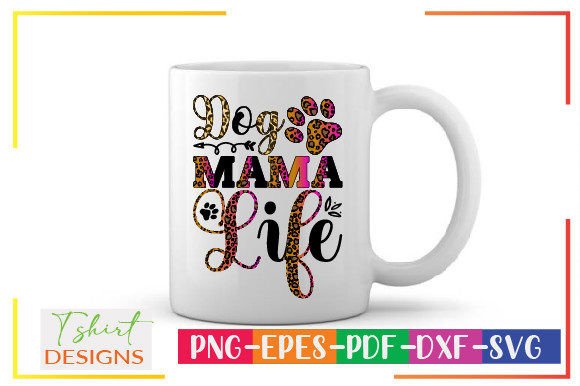
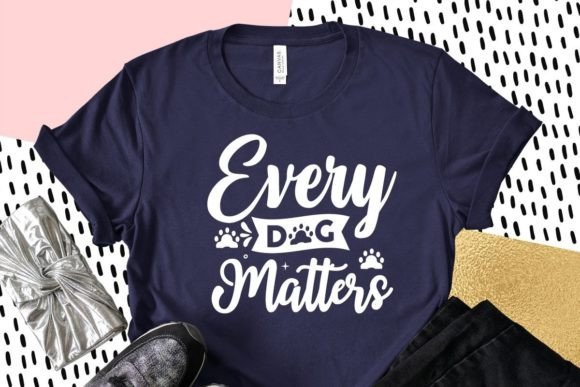
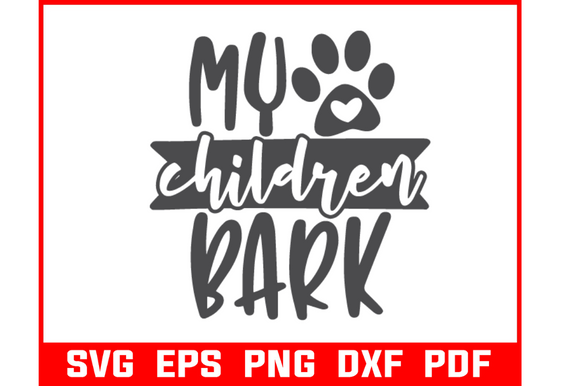
The moment you open the ZIP folder (EPS, PNG, AI, SVG included), you notice the clean lines, consistent weight, and intentional spacing. This isn’t scripty or overly decorative—it’s grounded, legible, and emotionally warm. The font feels hand-drawn but controlled: slightly rounded edges, subtle variation in stroke thickness, and generous letter spacing that breathes on fabric. It reads as “dog lover,” not “dog meme.” That makes it ideal for products where tone matters—think baby onesies with “My Dog is My Co-Pilot,” kitchen towels with “Biscuits & Belonging,” or minimalist sweatshirt fronts for small-batch apparel brands.
Where It Stitches Best—And Why
Dog Typography Quotes excels on medium-to-heavyweight fabrics with stable surfaces: canvas totes, cotton twill aprons, midweight sweatshirts, and tea towels. On these, the letterforms hold shape without distortion, and the moderate stroke width translates cleanly into satin stitch or dense fill stitch. I tested it on a 100% cotton pillow cover using medium cutaway stabilizer—and every curve stayed crisp, no puckering, no thread nesting. Customers respond well to that clarity: it feels intentional, not rushed.
It also works beautifully for embroidered patches. The outlines are sharp enough for clean edge definition, and the open interior spaces avoid over-stuffing. For Etsy sellers bundling digital embroidery files, this design pairs naturally with simple paw-print motifs or neutral border frames—making it easy to build cohesive collections under your brand voice.
Use With Care: Texture, Scale, and Fabric Reality
This isn’t a one-size-fits-all embroidery file. On thin or stretchy fabrics—like ribbed baby onesies or lightweight jersey tees—you’ll need extra stabilization and possibly slight digitizing tweaks (if you have access to editing software). Tiny lettering in the quotes can blur if scaled below 3 inches wide; I’d avoid using it smaller than 2.5" on any garment meant for frequent washing.
Curved surfaces—caps, beanies, or curved pocket flaps—require thoughtful placement. The straight-line layout doesn’t wrap easily, so centering it across a crown or front panel works best. And on dark fabric? Test contrast early. Some phrases rely on subtle line weight shifts that vanish without strong thread color contrast—navy thread on black denim, for example, loses impact unless you go bold (white or bright kelly green).
What It Adds to Your Finished Product
When executed well, Dog Typography Quotes lifts perceived value—not through complexity, but through authenticity. It signals care in curation and confidence in execution. Buyers of handmade goods don’t just want text; they want resonance. A customer ordering a personalized gift for their friend’s new puppy isn’t buying letters—they’re buying recognition, shared language, quiet joy. That emotional shorthand is why this design fits seamlessly into craft business branding: it supports storytelling without overshadowing it.
For small shop owners and Etsy sellers, it’s versatile in listings too. Use the SVG or PNG for clean printable mockups—pair it with soft natural lighting and linen backdrops to emphasize its handmade warmth. In digital product previews, it reads clearly at thumbnail size, helping shoppers instantly grasp tone and use case.
Practical Notes Every Embroidery Designer Should Check
- Test first on scrap fabric—especially if stitching on textured weaves or blends. Stitch density matters more than visual weight suggests.
- Review thread color contrast before committing to a full run. Light gray thread on oatmeal canvas? Lovely. Same thread on heather grey sweatshirt? Nearly invisible.
- Confirm hoop size compatibility. While the design scales well, very wide quotes may exceed standard 4×4 hoops—check dimensions before digitizing or auto-hooping.
- Inspect small details at 200% zoom. Are terminals clean? Do tight curves have enough stitch overlap to prevent fraying after washes?
- Try black-and-white mockups before finalizing. Typography lives in contrast—see how it holds up without color crutches.
- Match stabilizer to fabric: cutaway for knits, tear-away for stable wovens, and fusible + cutaway for lightweight linens.
- Verify licensing terms before selling finished items or reselling the digital embroidery file. Since this is categorized under Graphics and Crafts, commercial use may be permitted—but always confirm before listing on Etsy or wholesale platforms.
A Final Thought for Creative Entrepreneurs
Dog Typography Quotes won’t win awards for technical dazzle—but it earns trust. In a market saturated with overdesigned clipart and AI-generated fluff, it stands out by doing one thing well: speaking plainly, warmly, and memorably. It belongs on the apron of a neighborhood baker who rescues dogs, the tote bag of a vet tech, the tea towel gifted at a dog-friendly wedding shower. Its strength isn’t in versatility alone—it’s in restraint. That’s rare. And for makers building real businesses around real connections? That kind of design is worth keeping close.