Dog Bone Gift Tag: A Practical Embroidery Review
First Impression: Simple, Sweet, and Immediately Usable
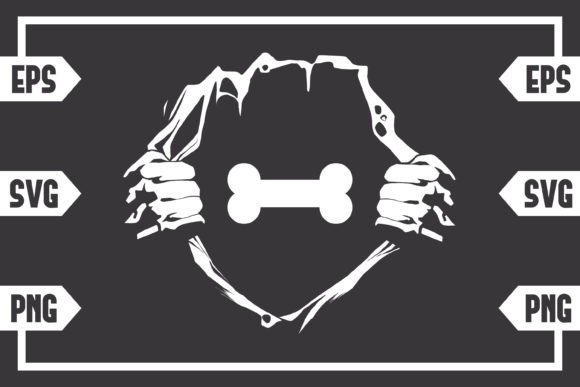
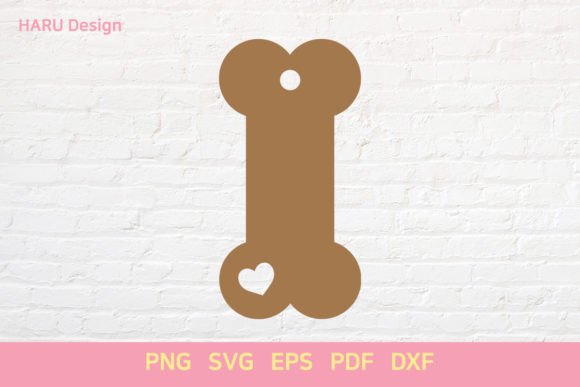
When I opened the Dog Bone Gift Tag files—SVG, EPS, PNG, PDF, and DXF—I wasn’t looking for flash. I was looking for function: clean lines, balanced negative space, and a shape that reads instantly at small scale. What stood out right away was its quiet confidence. It’s not overly detailed or fussy—it’s a classic bone silhouette with subtle tapering ends and gentle curves, centered on a 12in×12in artboard. No extra flourishes, no distracting text, no forced cuteness. That makes it unusually versatile for a machine embroidery design meant to be stitched, not just viewed on screen.
A Real-World Test: Stitching It onto a Linen Tea Towel
Last week, I used Dog Bone Gift Tag as the focal point for a set of personalized kitchen towels for a local pet boutique. We chose natural linen—medium-weight, slightly textured, and prone to puckering if stabilizer isn’t dialed in. I hooped medium tear-away with light cut-away backing underneath, sized the design down to 3.2 inches wide (still well within the artboard’s flexibility), and ran it in matte cotton thread. The result? Crisp edges, even satin stitch along the bone’s length, and zero distortion—even where the fabric’s natural slub caught the needle. Customers loved how it looked: understated but intentional, handmade but polished. It didn’t shout “dog lover”—it whispered it, elegantly.
Where It Shines—and Where It Needs Thought
Dog Bone Gift Tag works beautifully on custom apparel like sweatshirts and tote bags, especially when placed near a pocket or hem. Its open shape avoids heavy fill stitch density, so it stitches quickly and lies flat—no bulk under seams or collars. On baby embroidery projects (think onesies or burp cloths), its simplicity reads clearly even at 2 inches tall, and it avoids tiny interior details that could snag or fray. As an embroidered patch or cap front motif, it holds up well on curved surfaces because there are no sharp interior angles or narrow bridges to distort.
But let’s be real: this isn’t a one-size-fits-all solution. On thin or stretchy fabrics—like lightweight jersey tees or ribbed knit caps—I’d add a layer of soft cut-away stabilizer and avoid placing it over high-movement areas (elbows, side seams). On dark fabric, test your thread contrast first; a light ecru or oat thread can get lost unless you use a slightly heavier weight or go with a tonal variegated thread for depth. And while the design is clean, don’t push it below 1.8 inches without checking stitch integrity—those tapered ends can lose definition if shrunk too far.
Design Assets That Support, Not Distract
What makes Dog Bone Gift Tag stand out among digital embroidery files isn’t novelty—it’s restraint. As a graphics asset for crafters and Etsy sellers, it’s built to support branding, not compete with it. You can pair it with a simple monogram, a handwritten “Biscuits & Love” tagline, or even leave it solo on a kraft gift tag sewn into a pet-themed gift box. Its neutral personality means it won’t clash with seasonal palettes (think red-and-green holiday bundles or soft sage nursery collections). For small shop owners building cohesive product lines, it functions as a reliable visual anchor—not a trend-chasing flourish.
Why It Builds Customer Trust
Handmade products gain credibility when the details feel considered—not just cute. Dog Bone Gift Tag delivers that. Because it’s uncluttered and technically sound, it stitches cleanly across fabric types and hoop sizes. That consistency translates directly to buyer confidence: when a customer sees this on a finished product, they sense intentionality. No fuzzy edges. No thread nests. No awkward gaps. Just a confident, professional finish—exactly what elevates a craft business from hobbyist to trusted maker.
Practical Notes Every Embroidery Designer Should Check
- Test before committing: Run Dog Bone Gift Tag on scrap fabric matching your final project’s weight and texture—especially if using textured weaves or knits.
- Stabilizer matters more than you think: Medium tear-away works for stable wovens (cotton canvas, linen); switch to soft cut-away for knits or lightweight blends.
- Thread color isn’t just aesthetic—it’s functional: High-contrast combos (navy bone on cream linen) read best at small sizes and hold up through washing.
- Hoop size flexibility is real—but verify: Since the artboard is 12in×12in, scaling down is safe, but confirm your machine handles the smallest intended size without dropping stitches.
- Review stitch types in your embroidery software: Look for smooth satin stitch runs along the bone’s length and clean transitions at the ends—no unnecessary running stitch jumps.
- Mock it up both ways: Try black-and-white and color previews against light and dark backgrounds to gauge visibility and balance.
- Licensing clarity is non-negotiable: If you’re selling finished items or bundling this as part of a digital product, double-check usage rights—this is a crafts asset, not automatically commercial-use licensed.
Final Thought: Less Is More—Especially When It’s Stitched
I’ve reviewed hundreds of embroidery files, and the ones I return to most aren’t the flashiest—they’re the ones that disappear into the product just right. Dog Bone Gift Tag does exactly that. It doesn’t dominate a sweatshirt chest or overwhelm a baby blanket corner. Instead, it adds warmth, identity, and quiet charm. Whether you’re prepping for a craft fair, building an Etsy listing, or stitching personalized gifts for friends’ new puppies, this design earns its place—not because it’s loud, but because it’s thoughtfully built for real work, real fabric, and real people who appreciate well-made details.