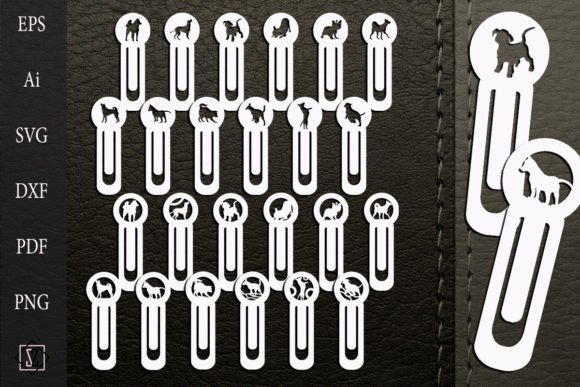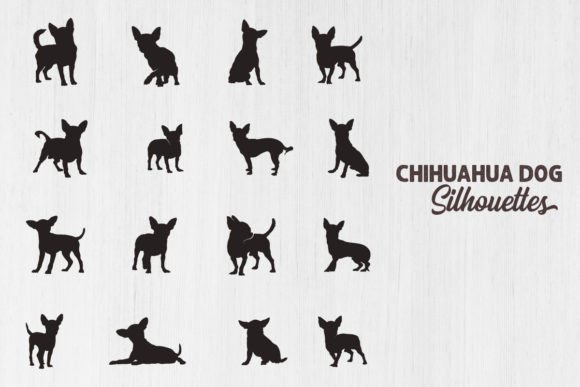
Chihuahua Dog Silhouettes, Chihuahua Dog
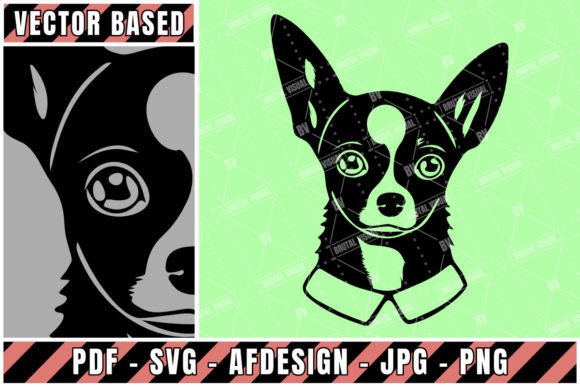
As a designer who’s digitized over 200 dog-themed embroidery files—and shipped custom embroidered totes, baby onesies, and boutique aprons for 12 years—I opened Chihuahua Dog Silhouettes, Chihuahua Dog expecting charm, not complexity. What I found was clean, confident, and quietly versatile—a silhouette that reads instantly as “Chihuahua” without relying on cartoonish exaggeration or fussy detail. It’s not just a vector graphic; it’s a design that behaves well under needle and thread.
A Real-World First Test: Embroidering a Linen Kitchen Towel
Last week, I used Chihuahua Dog Silhouettes, Chihuahua Dog on a heavyweight linen tea towel—no appliqué, just a single-layer fill stitch with 40-weight rayon. The result? Crisp edges, no thread nesting, and zero distortion around the ears or tail tip. That tells me two things: the vector paths are smooth (no anchor-point clutter), and the shape avoids the thin, fragile lines that collapse in dense fill. It’s sized right out of the box for 3"–4" hoop work—ideal for small-batch kitchen goods, nursery decor, or personalized gifts where subtlety matters more than flash.
Where This Design Earns Its Keep
Chihuahua Dog Silhouettes, Chihuahua Dog shines brightest where personality meets practicality:
- Custom apparel: Works cleanly on sweatshirt cuffs, pocket corners, and toddler t-shirt hems—especially when you want recognition without overwhelming the garment.
- Embroidered patches: The bold, closed-outline shape holds up beautifully in twill or felt backing. No gaps, no floating elements—just one solid, stitchable form.
- Baby embroidery: Gentle curves and balanced proportions read as friendly, not fierce—perfect for onesies, burp cloths, or crib mobile accents.
- Holiday and gift embroidery: Paired with simple monogram initials or a stitched “Abuela’s Favorite,” it adds warmth to holiday stockings or embroidered pillow covers.
- Etsy seller assets: The included SVG and EPS files let you resize without pixelation for printable mockups—or tweak colors for digital product previews before stitching.
Use With Care: When Simplicity Needs Strategy
This isn’t a one-size-fits-all embroidery file—and that’s honest, not limiting. Here’s where thoughtful planning pays off:
- Small hoop sizes under 2.5": The silhouette’s ears and tail taper naturally, but shrinking below 2" risks losing definition. Always test on scrap fabric first—and consider simplifying the tail curve manually if needed.
- Textured or stretchy fabrics: On slubbed linen or lightweight knits, use medium-weight cutaway stabilizer. The design’s open interior means fill stitch density must be calibrated—not too sparse (shows fabric), not too dense (causes puckering).
- Dark fabric backgrounds: The PNG and JPG files include transparent backgrounds, so your mockups stay accurate—but remember: white or light thread on black fabric needs higher stitch density to avoid shadowing. A quick black-and-white test stitch helps.
- Curved surfaces like caps: The silhouette’s flat profile works well on front panels, but avoid placing it across the crown seam unless you’re using a cap frame. Its lack of internal detail makes it forgiving, but geometry still matters.
Why Craft Business Owners Will Appreciate This File
If you sell handmade products on Etsy or at craft fairs, Chihuahua Dog Silhouettes, Chihuahua Dog supports real business goals—not just aesthetics. Its clean lines translate consistently across mediums: as an embroidered patch on a denim apron, as a heat-transfer vinyl cut for a tote bag, or even as a laser-cut wood charm. Customers recognize the breed instantly, which builds trust in your curation. And because it’s fully editable (EPS and SVG), you can adjust proportions for different product scales—say, stretching it slightly for a wide coffee sleeve or condensing it for a keychain tag—without buying new files.
It also avoids common pitfalls that erode perceived value: no tiny eyes to vanish in satin stitch, no overlapping layers that confuse auto-digitizing software, and no unnecessary gradients or shadows that don’t translate to thread. That means less time troubleshooting, fewer customer returns due to misstitched details, and more consistent finished product quality—whether you’re making five items or fifty.
Designer Notes You’ll Actually Use
Before stitching your first Chihuahua Dog Silhouettes, Chihuahua Dog project, take these steps:
- Test on scrap fabric matching your final product’s weight and texture—especially if using knits or loosely woven cotton.
- Check thread color contrast early: try both dark-on-light and light-on-dark combos in your mockup. The silhouette’s strong outline makes it flexible, but contrast drives clarity.
- Review stitch density in your embroidery software—if filling the entire shape, keep density between 18–22 stitches/mm to balance coverage and drape.
- Confirm hoop size compatibility: this design fits comfortably in 4" x 4" hoops, but verify your machine’s maximum dimensions before scaling.
- Inspect corners and curves at 200% zoom in your vector editor—look for stray anchor points or unintended overlaps that could cause stitching hiccups.
- Run a black-and-white print test to assess visual weight and proportion before committing thread and fabric.
- Verify licensing terms: while the listing says “fully editable,” confirm whether commercial use—including resale of finished embroidered items—is explicitly permitted.
Bottom line? Chihuahua Dog Silhouettes, Chihuahua Dog is a quiet performer—not flashy, but reliable. It belongs in your core set of Graphics for Crafts projects where authenticity, scalability, and stitchability matter more than ornamentation. Whether you’re building a small shop product line, prepping for a holiday craft fair, or designing a personalized gift for a Chihuahua-loving client, this file delivers what seasoned makers need: clarity, control, and confidence—thread by thread.