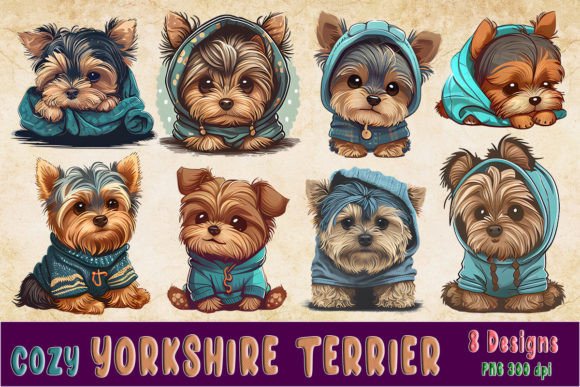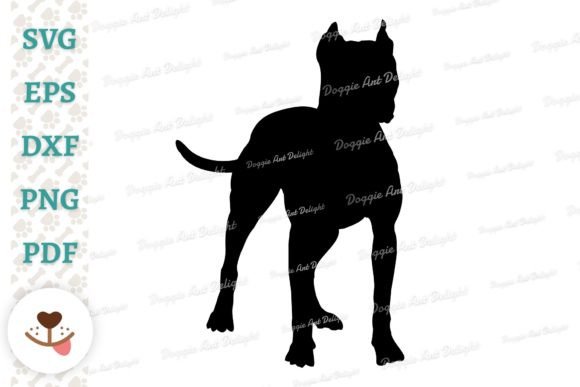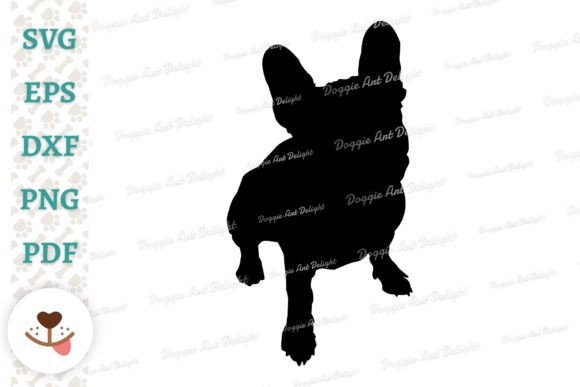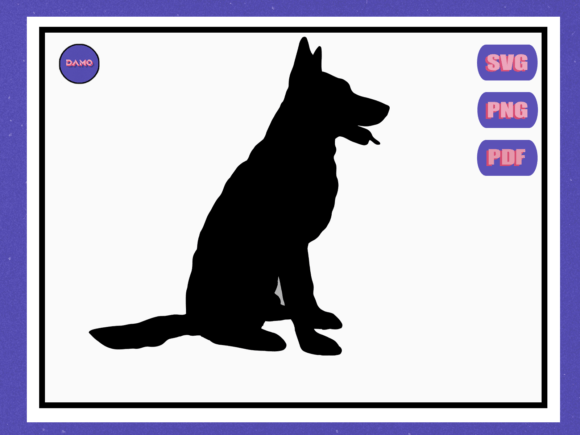
Yorkie, Yorkshire Terrier Dog Silhouette
A Designer’s First Look: Clean, Confident, and Instantly Recognizable
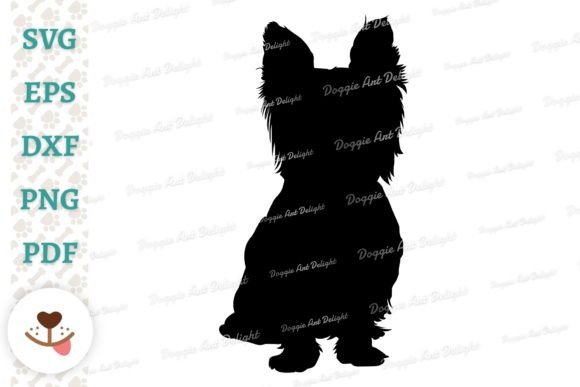
When I opened Yorkie, Yorkshire Terrier Dog Silhouette, my first thought wasn’t “cute”—it was “usable.” That’s rare. So many dog silhouettes lean into cartoonish exaggeration or overly delicate linework, but this one lands with quiet confidence: upright posture, alert ears, compact body, and that signature Yorkie tail held high. It reads as both timeless and intentional—no fluff, no filler. As an embroidery designer who’s stitched hundreds of pet portraits, I immediately saw where it would shine: on a crisp white linen tea towel, centered on a navy sweatshirt cuff, or as a minimalist patch on a denim apron. It doesn’t shout—it invites attention through clarity.
Where This Silhouette Truly Belongs in Real Projects
I recently prepped a custom order for a local boutique: embroidered baby onesies and matching kitchen towels for a Yorkie-loving new parent. I tested Yorkie, Yorkshire Terrier Dog Silhouette as a single-color fill stitch on 100% cotton jersey (onesie) and midweight linen (towel). On both, the shape held beautifully—no distortion, no lost definition. The clean outline translates directly to satin stitch edges, and the open negative space inside the silhouette means lower stitch density, which is gold for soft fabrics and quick turnaround. It also scaled cleanly down to 2.2 inches wide for the onesie chest placement and up to 4.5 inches for the towel corner—no pixelation, no awkward stretching. For Etsy sellers or small shop owners building a cohesive line, this design supports consistency across product types without needing multiple versions.
Why It Works So Well for Handmade & Commercial Embroidery
- Stitch clarity over ornamentation: There are no tiny interior details to vanish under thread—just strong, continuous contours. That means fewer dropped stitches on textured fabrics like terry cloth or looped fleece.
- Natural fit for personalization: Pair it with a monogrammed initial or a simple date below, and it becomes a meaningful personalized gift—not just decoration, but memory-making.
- Brand-friendly simplicity: Small businesses using embroidery for boutique branding (think coffee shop aprons or pet store tote bags) will appreciate how easily it integrates with typography or subtle color palettes.
- Low-risk for first-time buyers: Customers browsing your Etsy shop or craft fair table instantly recognize the breed—and trust that it’s accurate. No guesswork. No “Is that a Shih Tzu or a Yorkie?” confusion.
Where to Proceed Thoughtfully
This isn’t a one-size-fits-all embroidery file—and that’s honest, not limiting. Here’s where I’d pause and plan:
- Stretchy fabrics (like ribbed knits or lightweight jersey): Use cutaway stabilizer underneath and consider reducing stitch density slightly if converting to a machine embroidery design—especially for larger hoop sizes.
- Dark or heavily textured backgrounds: The silhouette relies on contrast. Test thread colors on scrap fabric first. A matte black thread on charcoal twill reads differently than on heather gray cotton.
- Caps and curved surfaces: While the shape itself is hoop-friendly, avoid placing it too close to the bill seam or crown curve unless you’ve verified its behavior on your specific cap frame setup.
- Wash-heavy items (baby bibs, dish towels, kids’ apparel): Confirm the final stitch count and density support durability. If stitching tightly packed fill areas, add a light tear-away topper to prevent thread snagging during laundering.
Design Assets That Earn Their Place in Your Workflow
As a reviewer who evaluates dozens of graphics each month, I judge Yorkie, Yorkshire Terrier Dog Silhouette not by how many formats it ships in—but by how little I need to edit before sending it to the machine. It’s built for real work: scalable vector lines hold integrity at any size, anchor points are logical (no jagged vector artifacts), and the silhouette’s proportions align with standard Yorkie anatomy—not stylized beyond recognition. That matters when you’re selling a digital embroidery file or printing a printable mockup for your Etsy listing. Buyers notice authenticity. They feel it in the finished product.
Practical Notes Every Embroidery Designer Should Keep Handy
- Always test Yorkie, Yorkshire Terrier Dog Silhouette on scrap fabric matching your project’s weight, stretch, and color.
- Review stitch density in your embroidery software—especially if converting from the original vector graphic to a machine embroidery design.
- Check hoop size compatibility early. Even clean silhouettes can push limits on smaller hoops (under 3 inches) if filled densely.
- Inspect corners and curves at 200% zoom—look for unintended overlaps or gaps that could affect satin stitch flow.
- Run black-and-white mockups to assess visual weight on light vs. dark backgrounds before committing to thread colors.
- Verify licensing terms directly with Doggie Art Delight Studio—especially if you plan to sell finished embroidered patches, digital embroidery files, or craft business bundles containing this graphic.
Final Thought: A Quiet Workhorse, Not a Flashy Gimmick
Yorkie, Yorkshire Terrier Dog Silhouette won’t dominate your portfolio with flash—but it will earn repeat orders, show up in heartfelt customer photos (“My Yorkie loves her embroidered pillow!”), and quietly strengthen your brand’s reliability. It’s the kind of Crafts asset that supports your process instead of complicating it: easy to digitize, easy to explain to clients, easy to justify pricing because it delivers clear value. Whether you’re stitching holiday embroidery for a local pet rescue fundraiser or building a curated Graphics collection for your digital shop, this silhouette earns its place—not because it’s trendy, but because it’s true. And in handmade product work, truth builds trust, faster than any filter ever could.