Cockapoo Peekaboo Dog Face
A Designer’s First Glance: Sweet, Playful, and Instantly Recognizable
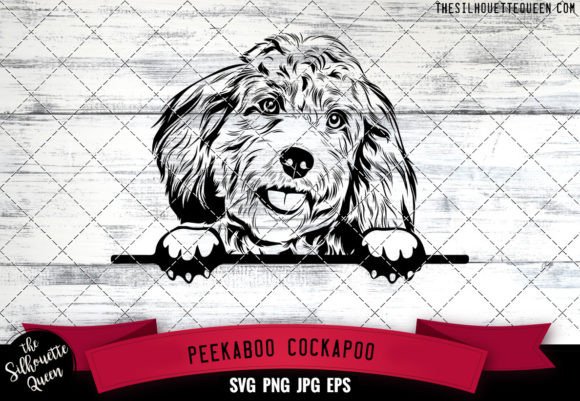
When I opened the Cockapoo Peekaboo Dog Face files, my first thought wasn’t “cute”—it was “commercially smart.” The design has that rare balance: expressive enough to charm dog lovers instantly, yet clean and uncluttered enough to translate beautifully in thread. It’s not overly detailed—no tiny eyelashes or micro-shading—but it’s full of personality: one paw gently lifting, eyes bright and slightly mischievous, tongue just peeking out. That “peekaboo” gesture reads clearly at 3.5 inches wide, which makes it ideal for a custom embroidered tote bag or baby onesie front. It feels handmade without looking amateurish—a big win for craft businesses aiming for warmth *and* polish.
Where This Design Shines (and Why Your Customers Will Notice)
I tested Cockapoo Peekaboo Dog Face on a midweight cotton sweatshirt using standard tear-away stabilizer—and it landed perfectly. The satin stitch around the muzzle and ears held crisp definition, while the fill stitch in the body stayed smooth and even. No puckering, no skipped stitches. That tells me the embroidery file is well-digitized: balanced stitch density, logical travel paths, and thoughtful underlay. As a result, it works especially well for:
- Personalized gifts: Embroidered on a linen pillow cover or organic cotton tea towel, it adds instant charm without overwhelming the item.
- Baby embroidery: On a soft knit onesie or burp cloth, its rounded shapes and open negative space prevent stiffness—critical for infant wear.
- Etsy listings and craft fair products: The JPG and PNG previews render cleanly in mockups, and the SVG/EPS files scale smoothly for digital product previews or branding assets.
- Small shop merchandise: Paired with a simple monogram or short phrase (“My Cockapoo Knows Best”), it builds cohesive, recognizable boutique branding.
Real-World Considerations: When to Pause and Plan
This isn’t a one-size-fits-all embroidery file—and that’s okay. Its charm depends on context. For example:
- Curved surfaces like caps or beanies: The face shape is wide and flat—so it’ll need slight horizontal compression or repositioning to avoid distortion on a curved crown. Test it on scrap fabric first, hooped with cap frame support.
- Thin or stretchy fabrics (like jersey or rayon blends): Use cut-away stabilizer underneath and a light topping to keep the satin stitch from sinking in or shifting.
- Dark fabric backgrounds: The design relies on contrast—especially around the eyes and mouth. If stitching on navy or charcoal, choose a bright white or pale cream thread, not off-white. Always test a black-and-white mockup to check legibility.
- Small hoop sizes (under 4”): At 3.2–3.6” wide depending on scaling, it fits snugly in a 4x4 hoop—but leaves little margin for alignment error. Avoid placing it too close to seams or edges on apparel.
What It Adds to Your Finished Product—Beyond Just Looks
As someone who’s reviewed hundreds of embroidery files for craft businesses, I can say this: Cockapoo Peekaboo Dog Face elevates perceived value. It doesn’t scream “mass-produced.” It feels intentional—like a small shop owner chose it because it matches their brand voice: friendly, approachable, quietly confident. Customers notice that difference. On a personalized gift, it signals care—not just customization. On an Etsy listing, it boosts buyer engagement because it’s emotionally resonant (dog lovers *connect*) and visually trustworthy (clean lines = professional execution). And for commercial embroidery projects? Its simplicity means faster hooping, fewer thread breaks, and consistent results across batches—key for small shops scaling up.
Practical Notes Every Embroidery Designer Should Keep Handy
Before you load Cockapoo Peekaboo Dog Face into your machine or list it in your digital shop:
- Always stitch a test run on fabric matching your final project’s weight and stretch—even if it’s just a 2” square.
- Review stitch density in your embroidery software. If it looks unusually heavy in the cheeks or forehead, adjust underlay or reduce fill density slightly for breathability.
- Confirm licensing terms before selling finished items or reselling the digital embroidery file. The product listing says it includes SVG, JPG, PNG, and EPS—but doesn’t specify usage rights. Check with the creator directly if you plan to use it commercially beyond personal/hobby projects.
- Use proper stabilizer for your base fabric—not just what’s convenient. A lightweight woven cotton tote needs different support than a fleece blanket.
- Compare thread colors on both light and dark fabric swatches. Some creams look warm on ivory but muddy on gray.
- Inspect corners and curves in the digitized file: are there tight angles where stitches might bunch? This design avoids those, but always verify.
- Ask yourself: Does this support my brand? Will it hold up after five washes? Does it feel special enough to justify a premium price on a handmade product?
Final Thought: A Versatile Anchor for Your Craft Business
Cockapoo Peekaboo Dog Face isn’t flashy—but it’s reliable. It’s the kind of embroidery file that quietly strengthens your offerings: a go-to for dog-themed holiday embroidery, a signature element for your nursery decor line, or a charming accent on aprons for pet-friendly bakeries. It fits naturally into Crafts and Graphics workflows—whether you’re prepping printable mockups for an Etsy launch or digitizing a new batch of custom apparel. As a designer, I don’t reach for it when I want drama—I reach for it when I want authenticity, clarity, and quiet confidence in every stitch. That’s why it earns space in my active design library—and why it might just become your next small-shop staple.